Mouth-to-mouth Resuscitation Physical Therapy+ Efficiency: What's The Difference Between Tension And Advise Urinary System Incontinence?
Urinary Incontinence The most generally made use of are oxybutynin and tolterodine; both are anticholinergic and antimuscarinic and are offered in extended-release kinds that can be taken by mouth daily. Oxybutynin is offered as a skin spot that is altered twice a week as well as in topical gels that are related to the skin daily. Effectiveness and unfavorable impacts resemble those of oxybutynin, however long-lasting experience is restricted. Thinning of urethral and genital epithelium and submucosa might create neighborhood inflammation and reduce urethral resistance, size, and optimum closure pressure with loss of the mucosal seal. In postmenopausal ladies, reduced estrogen degrees lead to atrophic urethritis and atrophic vaginitis and to lowering urethral resistance, length, and maximum closure stress. Your medical professional needs to ask inquiries, like how much time the leakage has been occurring, just how bad it is, and just how it impacts your life. For men that can follow treatment, prophylactic catheters may be more effective since they lower danger of UTIs; however, these catheters may trigger skin breakdown and reduce inspiration to become completely dry. Outside collection gadgets that utilize low-pressure suction to "wick" urine far from patients into a canister may be effective for incontinent ladies. If spontaneous bladder tightenings linger, oxybutynin or tolterodine can be used. Surgery and various other procedures offer the most effective opportunity of treatment when noninvasive treatments are ineffective. Bladder neck suspension is used to remedy urethral hypermobility. Dyssynergia is commonly because of https://bllakehillgrovexccpb.contently.com/ a spine lesion that disrupts paths to the pontine micturition facility, which works with sphincter leisure and bladder contraction. As opposed to kicking back when the bladder contracts, the sphincter contracts, obstructing the bladder outlet. Dyssynergia triggers serious trabeculation, diverticula, a "Christmas tree" contortion of the bladder seen on cystogram, hydronephrosis, and persistent kidney illness calling for dialysis. Incontinence may manifest as near-constant dribbling or as periodic voiding with or without recognition of the need to nullify.
Surgical Therapy Options For Stress And Anxiety Incontinence
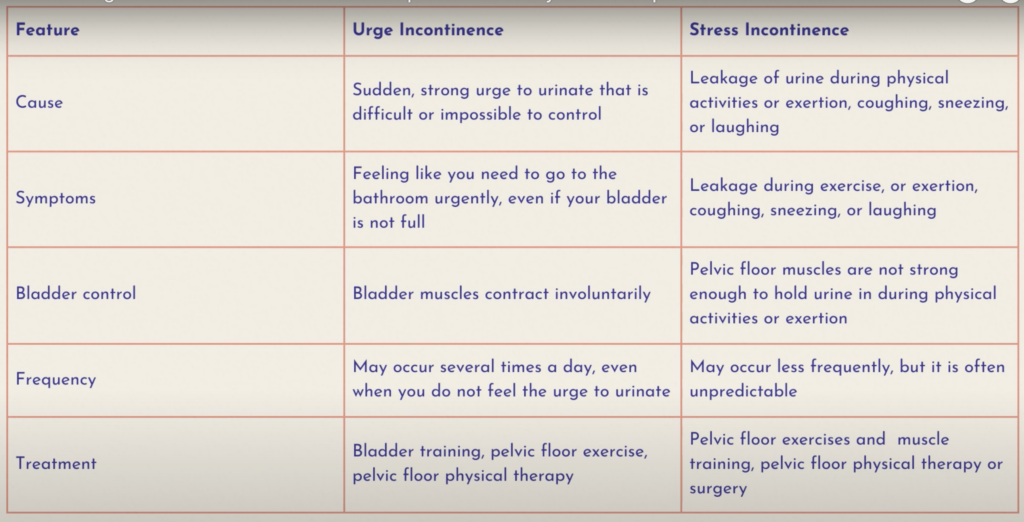
How do you understand if you have stress or urge urinary incontinence?
stress and anxiety urinary incontinence & #x 2013; when pee leaks out sometimes Involuntary urination when your bladder is under stress; for instance, when you cough or laugh. impulse (seriousness) incontinence & #x 2013; when pee leaks as you feel a sudden, intense desire to pee, or quickly afterwards.
Medications
- Necessity urinary incontinence is when you obtain need to go, and if you don't make it to a restroom, your bladder will certainly clear.
- Both conditions have some points in common, and occasionally an individual can have both.
- If you feel like you need to pee but absolutely nothing (or extremely little) appears, you could have an urinary system infection.
- Re-instruction is commonly required, and biofeedback is typically beneficial.
- If anxiety incontinence results from atrophic urethritis, topicalestrogen (estradiol) is frequently reliable.(estradiol) is frequently reliable.
Reasons For Stress And Anxiety Urinary Incontinence In Women
This medicine is not recommended for people with heart disorders, high blood pressure, glaucoma, diabetes mellitus, hyperthyroidism, or benign prostatic hyperplasia. Opioids create urinary system retention, irregular bowel movements, fecal impaction, sedation, and delirium. Collagen in the paraurethral connective cells is degraded, creating inadequate urethral closure. While Desire incontinence (UUI) includes the sudden and unstoppable loss of pee, SUI is not gone along with by the sensation of an unexpected impulse to urinate. The underlying reason for stress incontinence is various from that of UUI. Tension incontinence is triggered by a weak sphincter muscle mass and/or pelvic flooring. This indicates that they leak urine when they cough, sneeze, or exert pressure on their stomach muscles; however they additionally feel the immediate need to go to the toilet and may deficient in time. Several treatments are readily available to enhance stress urinary system incontinence. These consist of Kegel exercises, pelvic flooring treatment, and minimally invasive surgeries that might be up to 85-95% effective. Using antimuscarinic representatives in older individuals with cognitive problems and dementia could lead to further worsening of mental deterioration and Alzheimer illness. Existing together medicines with anticholinergic buildings, such as drugs for parkinsonism, donepezil, anti-nausea medications, and sedatives, result in bad diagnosis. If they only experience leaking yet urinate a regular quantity, another thing may be creating the incontinence. Physicians identify both OAB and advise incontinence based upon symptoms. They will certainly ask a person regarding their signs, just how typically they take place, and at what time of day. OAB is a team of signs that triggers sudden, intense prompts to pee. These advises typically occur when the bladder is not complete, therefore a person may want to urinate much more times daily than is common. Overflow urinary incontinence is the second most common kind of urinary incontinence in men. Your doctor will possibly ask you some concerns, provide you a physical examination, and take a pee sample. They may advise an ultrasound of your bladder, cardiovascular test, cystoscopy, or urodynamic screening.