Just How Your Pelvic Flooring Impacts Incontinence And Bowel Irregularity
4 Simple Pelvic Flooring Workouts No details given on this web site or otherwise provided by ASCRS is planned to change or whatsoever modify the suggestions of your health care expert. Slow, deep breathing (also known as diaphragmatic breathing) permits your pelvic flooring to relax periodically so your muscle mass can relax and continue to be strong and adaptable. Signs and symptoms of a limited pelvic floor have a tendency to create slowly and become worse in time. Please ask your doctor for a referral to one of our specialists if you feel you can gain from postpartum pelvic floor treatment. Colon and anal doctors are experts in the surgical and non-surgical treatment of conditions of the colon, rectum, and rectum. They have completed innovative surgical training in the therapy of these illness, as well as complete basic medical training. Pelvic floor dysfunction is a team of disorders that transform the method people have bowel movements and in some cases create pelvic pain. These conditions can be humiliating to go over, may be hard to medical diagnosis and usually have an adverse result on lifestyle. This info will certainly assess the most common pelvic flooring disorder problems and their signs and symptoms. It is intended to clarify the examinations used to evaluate the pelvic floor and the different therapy choices. A complete, stepwise technique to examine signs and symptoms generally causes a punctual diagnosis and treatment for what commonly is an enduring and aggravating issue. Taking that first step to get the answer is an effective move for long-lasting wellness. Prior to beginning, locate and squeeze your pelvic flooring muscular tissues. To assist determine them, attempt to quit your pee midstream the next time you have to pee. The muscle mass that stop the flow Incontinence Direct specialists of pee are your pelvic floor muscular tissues.
Just How Is Pelvic Flooring Dysfunction Examined?
Pudendal neuralgia is caused by entrapment of the pudendal nerve by pelvic muscles and tendons. It is characterized by persistent pain in pelvis or perineum, in between the penis/clitoris to the anus, and is normally even worse with resting. The medical diagnosis is recommended by history and health examination. You probably don't consider your pelvic flooring muscular tissues, but they're benefiting you all day. Picture a flexible hammock of muscle mass at the base of your hips. This "hammock" sustains your bladder and bowel and, in males, the prostate. It's additionally a key player in controlling when you pee and have a defecation, and it's essential for sexual function.
While pelvic floor disorder ends up being extra usual with age, it's not something you have to discover to live with.
Pelvic floor disorder plays a considerable role in this problem.
Slow, deep breathing (also known as diaphragmatic breathing) allows your pelvic floor to relax occasionally so your muscular tissues can kick back and stay solid and versatile.
Aging:
Can pelvic flooring muscular tissues regain strength?
Maternity and childbirth can stretch, pressure, and damage these muscle mass and create a range of issues for about 1 in 4 women. The good news is that pelvic flooring exercises can slowly develop your strength and help you return to regular.
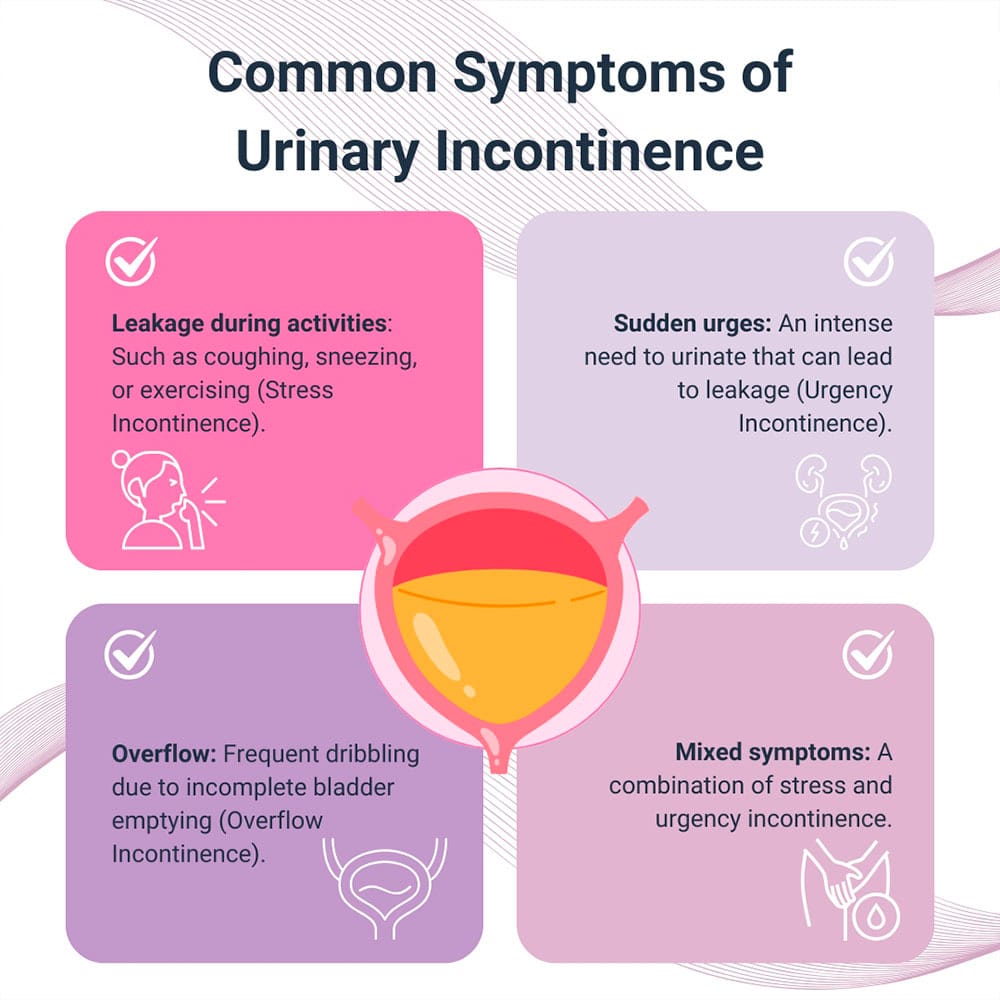
Urinary system or fecal leakage with coughing, sneezing, giggling, changing positions or task are common problems. Advise incontinence is when you can not make it to the bathroom without leaking and the urge can strike you strongly out of no place. Since the pelvic floor is part of the core, having low pain in the back or hip discomfort can be partly as a result of a weak pelvic floor. We offer a number of kinds of treatment, including myofascial launch, pelvic flooring muscle mass down-training (leisure), pelvic flooring muscle mass up-training (conditioning) and behavioral training. We are proud to serve amazing females throughout the Richmond area. Some muscular tissues come to be limited and aching, while others are stretched and become weak. This can create pain in the back, hips and hips or urinary issues that can often continue postpartum. Fluctuating hormone levels and physical modifications due to delivery additionally add to discomfort or urinary system concerns in the postpartum stage. For women, pregnancy and childbirth are two of the most significant life events that affect the pelvic floor. While pregnant, the expanding uterus locations stress on the pelvic organs, extending and compromising the pelvic flooring muscular tissues. Giving birth, especially genital shipment, can create direct injury to the pelvic flooring muscle mass and cells. The procedure of labor can cause muscular tissue tears, overstretching, and even nerve damages, every one of which can result in pelvic floor dysfunction. Postpartum, many ladies experience urinary incontinence, pelvic organ prolapse, or constipation as an outcome of this trauma.